Gwinnett Begins Organizing!

Atlanta DSA Interest Meeting Held in Lawrenceville

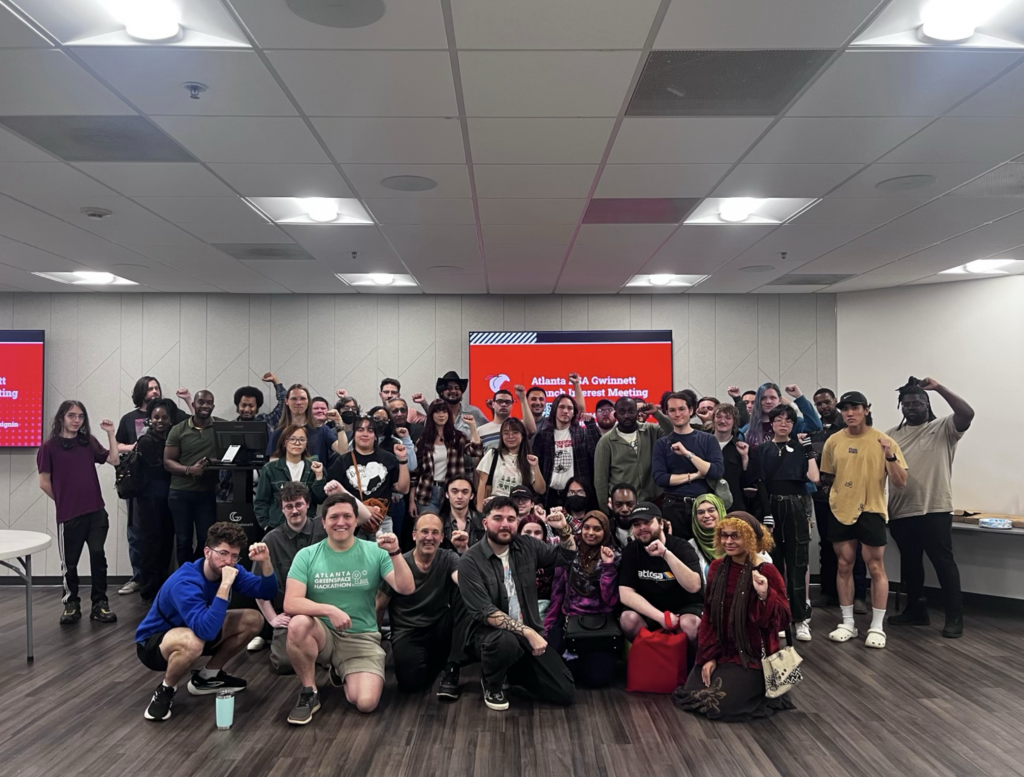
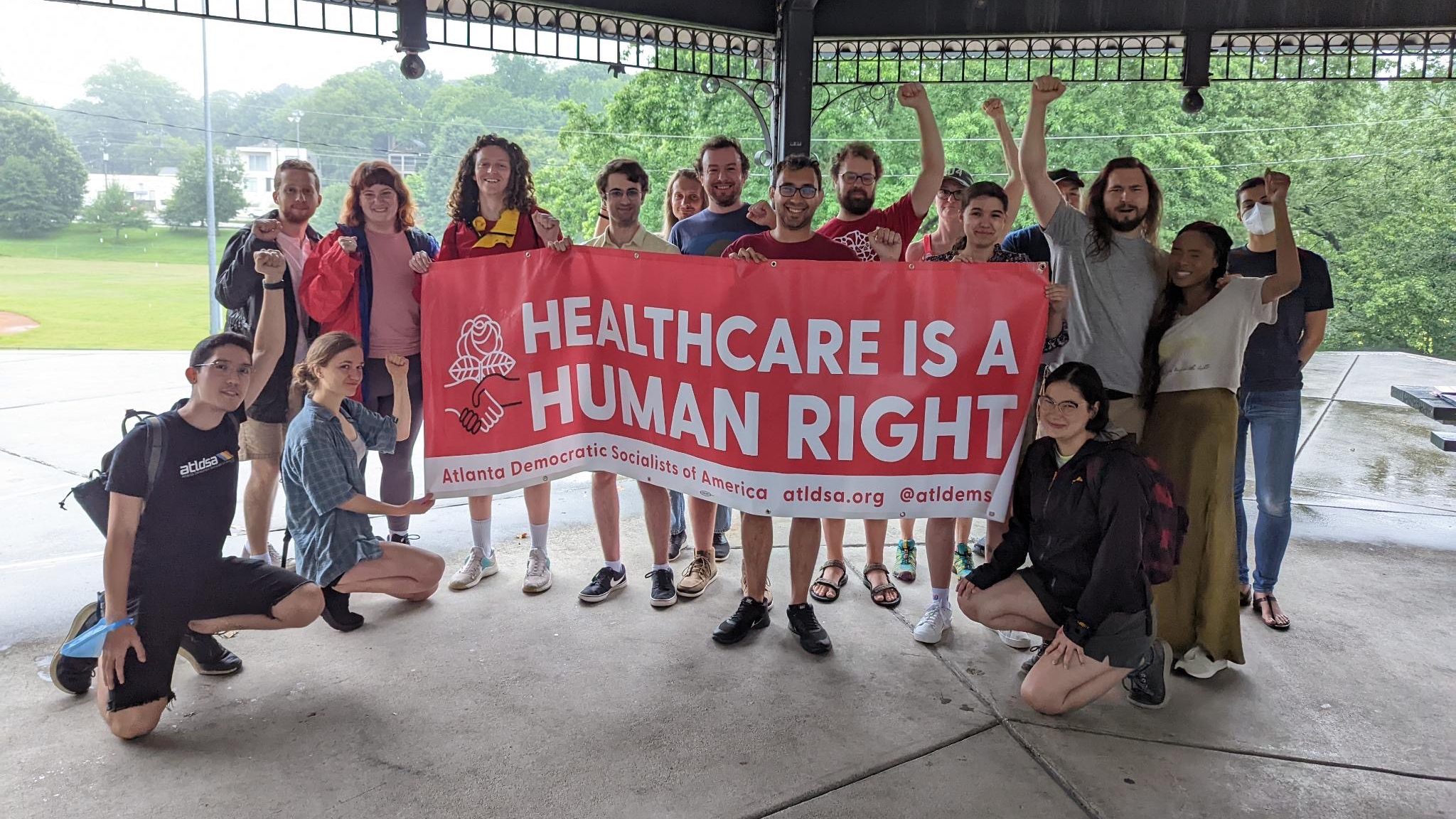
Around 60 attendees attended the Gwinnett Branch interest meeting
Around 60 attendees attended the Gwinnett Branch interest meeting.

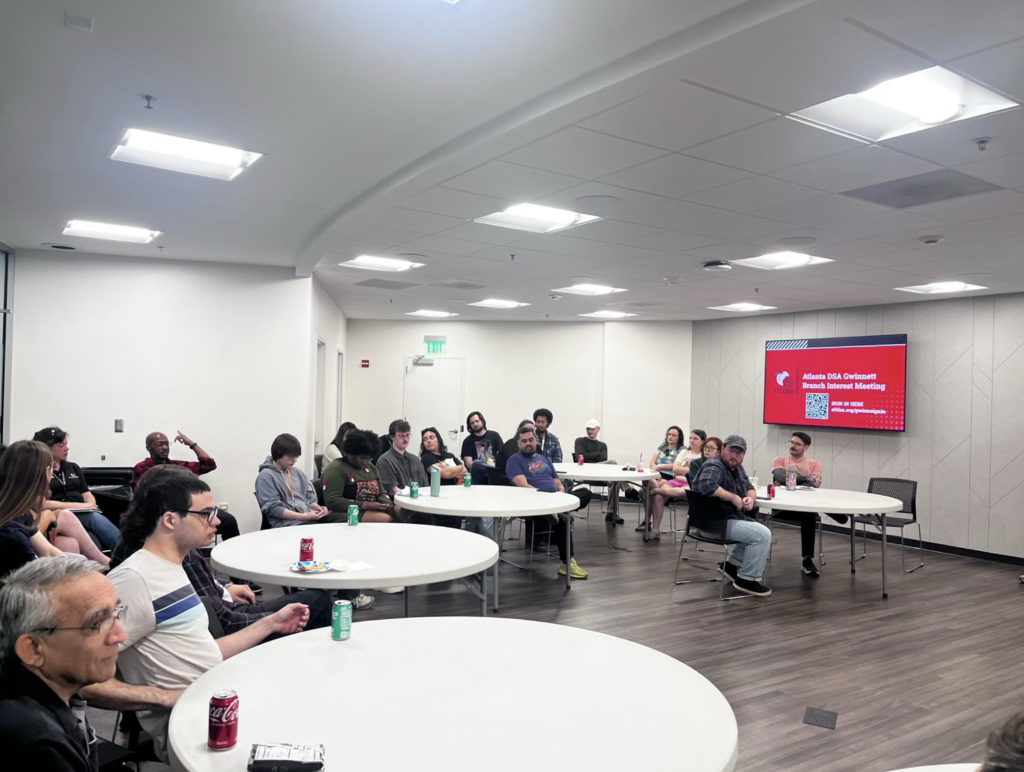
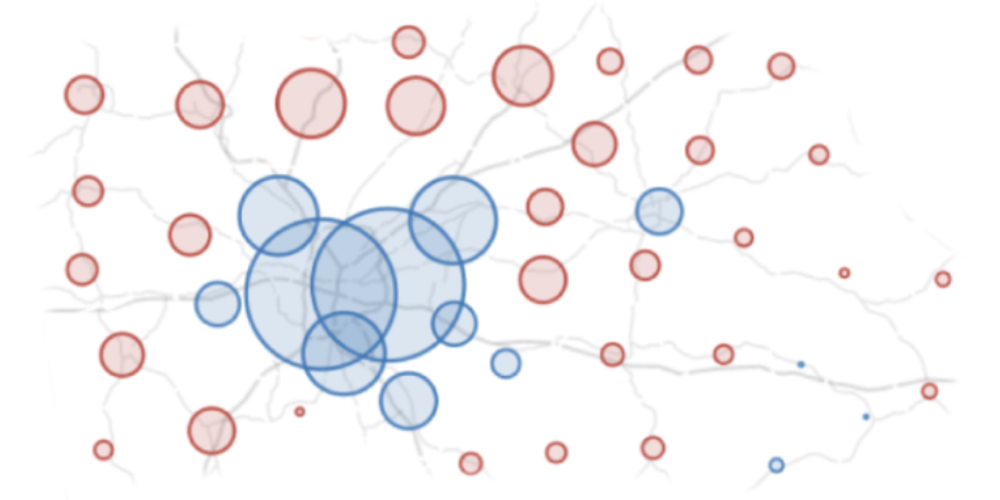
In July of 2024, the metro-Atlanta county of Gwinnett officially became the second county in the state of Georgia to cross the mark of one million residents, behind only Fulton County, home to Atlanta itself. This growing population indicates that Gwinnett needs an Atlanta DSA branch of its own to promote socialism and to act as a vehicle for the voice of Gwinnett’s working class in metro Atlanta’s political sphere. Thus, on the afternoon of Sunday, March 7th, 2026, Atlanta DSA organizers, with the help of Georgia Gwinnett College’s YDSA (GGC-YDSA), held a Gwinnett branch interest meeting, which was attended by well over 60 people at GGC. A petition to formalize a Gwinnett branch has been underway since.

The meeting began with attendees sharing what drew their interest in the DSA and a few common sentiments rang throughout the 60+ gathered. Some of those sentiments included healthcare costs, taking political action for Palestinian liberation, wanting to act against growing right-wing power, and making life affordable in Gwinnett. Another common sentiment was that of a previous desire to be involved with Atlanta DSA, but distance to the city made that desire difficult to actualize.

Following introductions, the meeting changed gears to explaining the DSA structure to attendees. Much of the emphasis was put on the DSA’s nonprofit, volunteer-run system and how it functions bottom-up rather than top-down, as is the status quo for political organizations in this country. The meeting leaders also highlighted the DSA’s electoral strategies, with focusing on grassroots level matters, as exemplified by the recent successes of Kelsea Bond and Gabriel Sanchez in the state of Georgia. Following that, information about Atlanta DSA’s different committees (labor, political education, electoral, etc.) and identity-based sections (Afrosocialists and socialists of color, feminist socialists) was shared with the attendees.

As the meeting came to its conclusion, the group discussed how DSA works with other working-class organizations in the Atlanta area to advocate for the improvement of working class life, emphasizing DSA’s collaborative structure, especially during this period of right-wing fascism attacking the working class and the country’s minorities. Finally, at the meeting’s end, the petition to start a Gwinnett branch of the Atlanta DSA was introduced.

The structure of the DSA was discussed at length with the group present.

I spoke to the two co-chairs of GGC’s YDSA, Josue EC and Hannah B, who worked to host the Gwinnett interest meeting. Josue worked to arrange the meeting location, design the flier, and to promote the meeting on the GGC campus and through social media. When asked about what he hopes to see happen through a Gwinnett branch of Atlanta DSA, he expressed that he feels that the current system of elitist American politics pushes members of the working class away from engaging politically. Thus, through a Gwinnett branch of ATLDSA, he hopes to energize leftists across the county to become politically engaged and bring about positive change in the lives of Gwinnett’s working class. Hannah B, who also helped in organizing the interest meeting, spoke about how she hopes a Gwinnett branch will work to bring socialism locally to Gwinnett, not just limited to the city of Atlanta. One specific goal she she shared is for a Gwinnett branch to push for low cost/free public transportation in Gwinnett, which would include the expansion of MARTA. 

The meeting had a very positive and optimistic outlook to it, as the people of Gwinnett are hungry for real, meaningful change and are excited to engage with DSA to bring about such change. The people of Gwinnett are hopeful that in the face of right-wing fascism and elitist politics, a future Gwinnett branch of ATLDSA will advocate for immigrant rights, affordable housing, free healthcare, and local support for Gwinnett’s working class.

May the future of the DSA in Atlanta be prosperous and may the people of Gwinnett carry their hope towards a future of well-being, safety, and health.

Building a Socialist Labor Movement

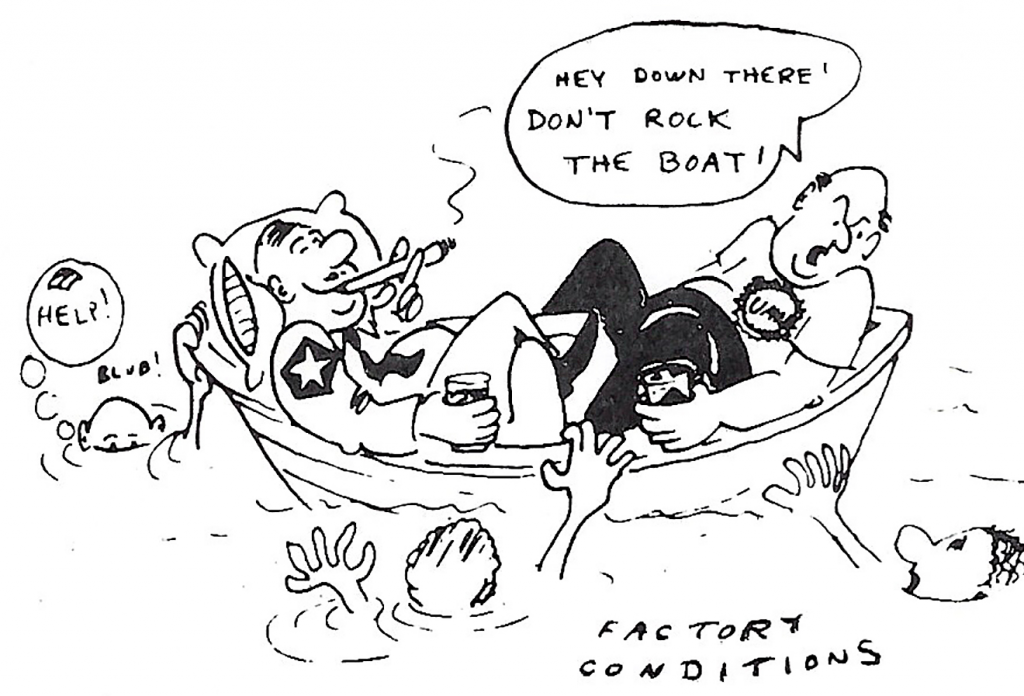
Every day, billions of working people on Earth toil to maintain a capitalist economy they never asked for. While technological advances and general prosperity have spread beyond the borders of the most advanced countries, the “golden age” of capitalism is over. For the majority of people on the planet, including in the United States, life is getting harder. Capitalism is working overtime to preserve the power and profits of the wealthy at the expense of the rest of us.

In light of this, DSA’s goal is to fight for all working people’s ability to democratically control their own lives in all areas of society and the economy. To achieve that goal, we need two things: the involvement of millions to make a mass movement, and the leverage to win back power from the capitalist class. The only way DSA is going to get what we need to win is by organizing as workers and uniting with organized labor, so we can attack the source of capitalists’ power: their profits.

Labor unions represent the only organized force with the capacity and the leverage to win against capitalists outright. Millions of union members run a collective, dues-funded project to organize and fight for a better life for all working people. So this year, Atlanta DSA has prioritized building relationships with labor unions, educating our members and the public on the centrality of workplace organizing and the importance of determining our own path, independent of big-money donors and politicians.

Continue reading “Building a Socialist Labor Movement”

Labor Militancy on the Rise: SAG-AFTRA Strikes!

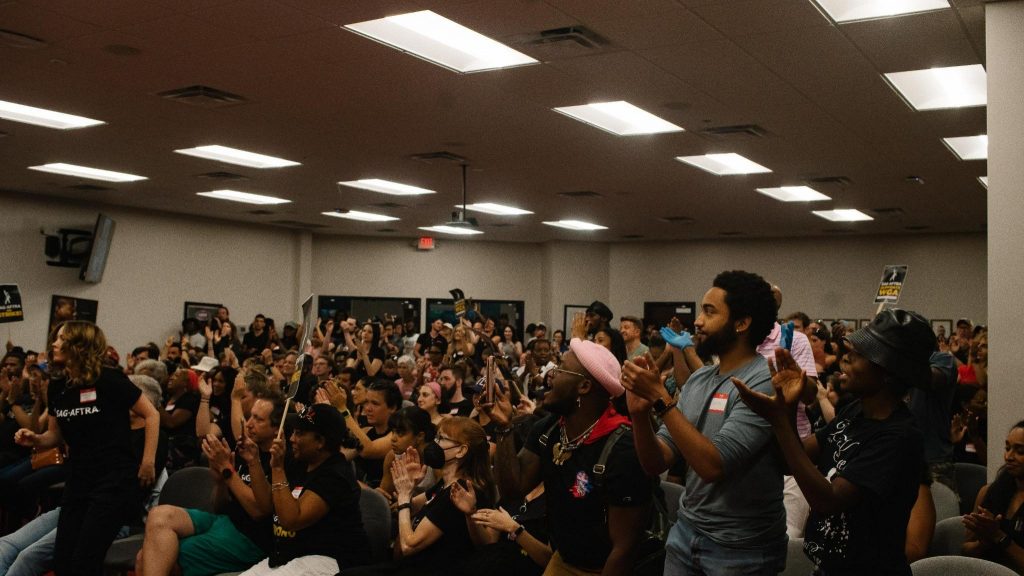
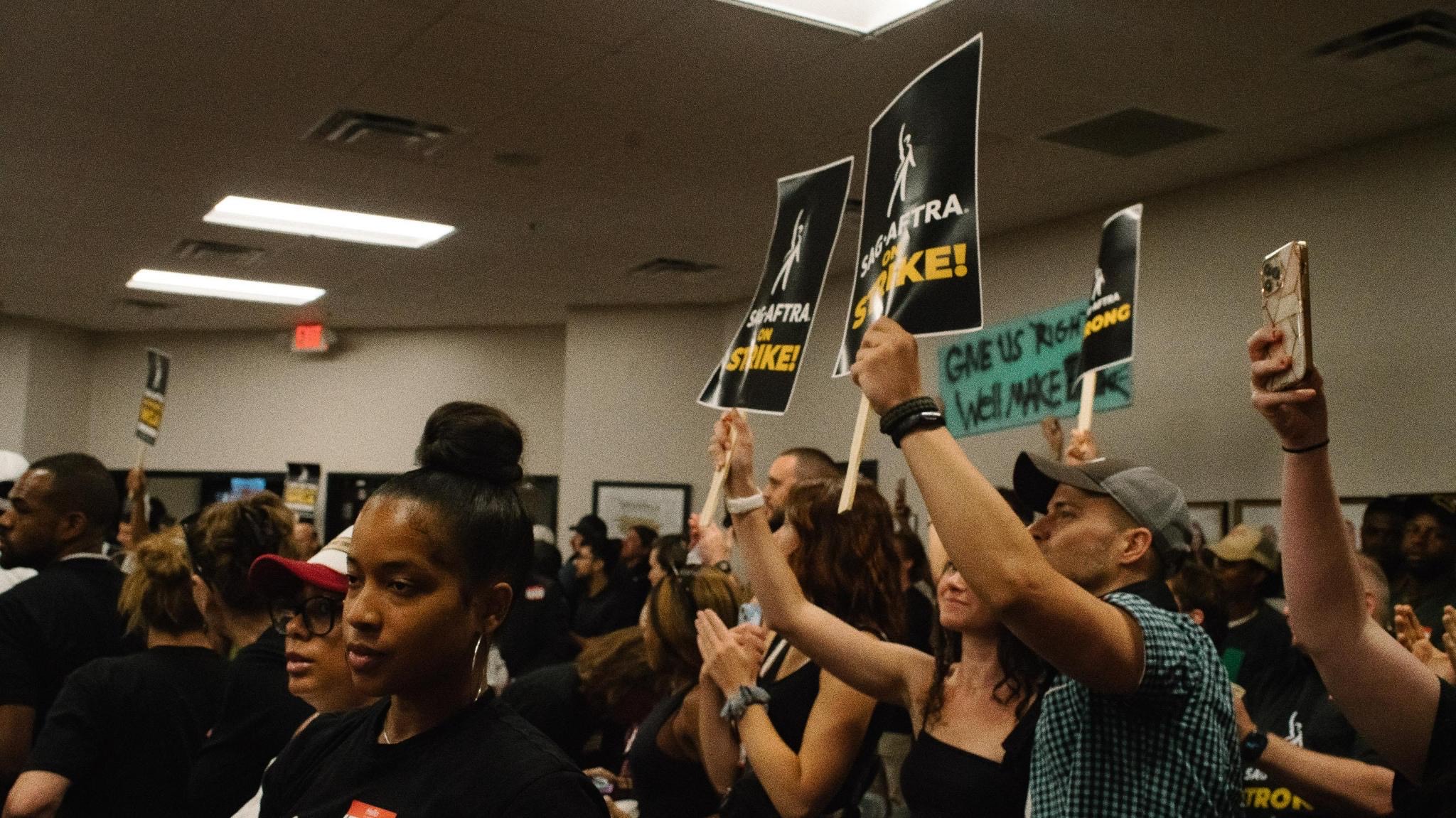
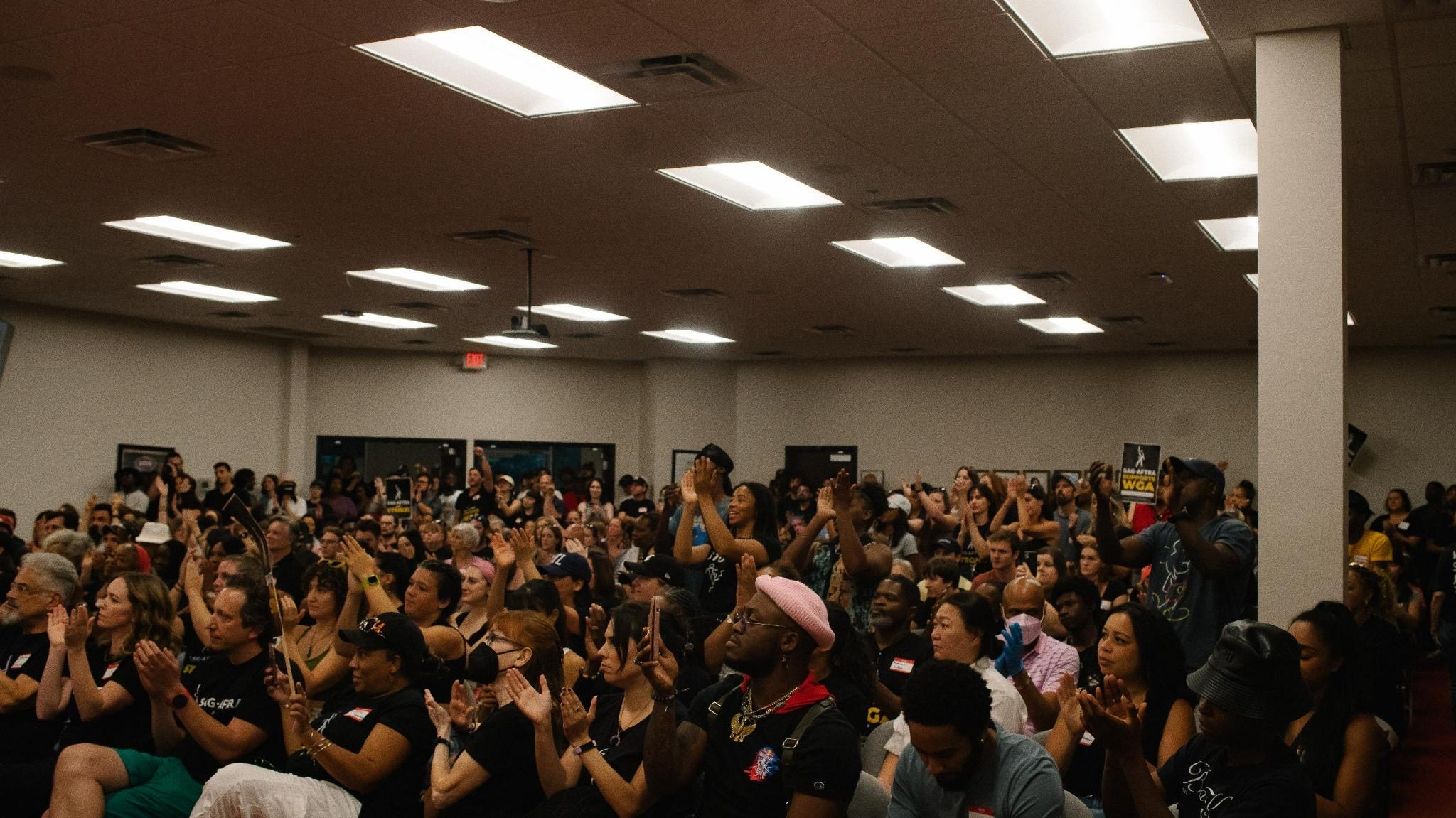
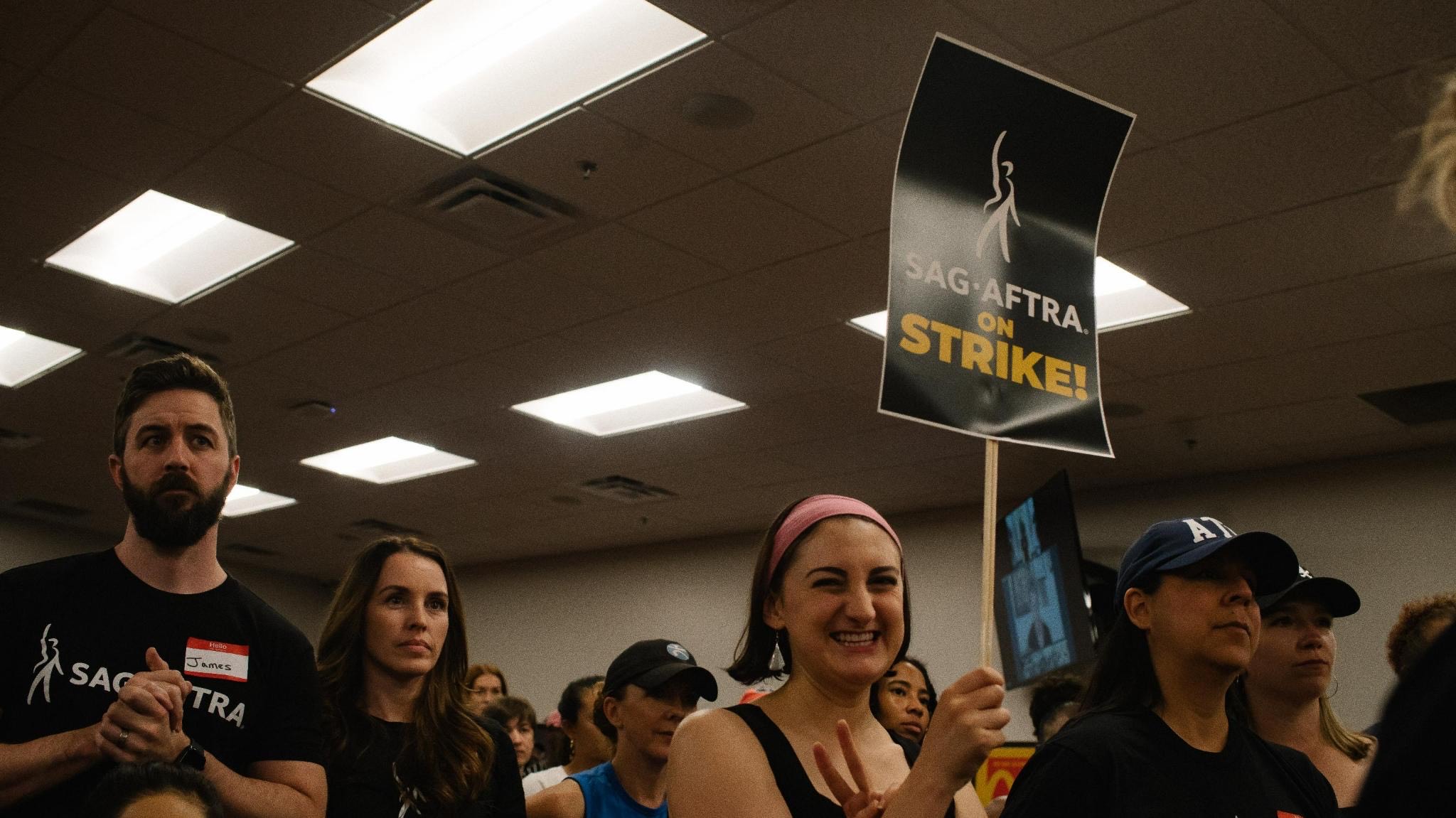
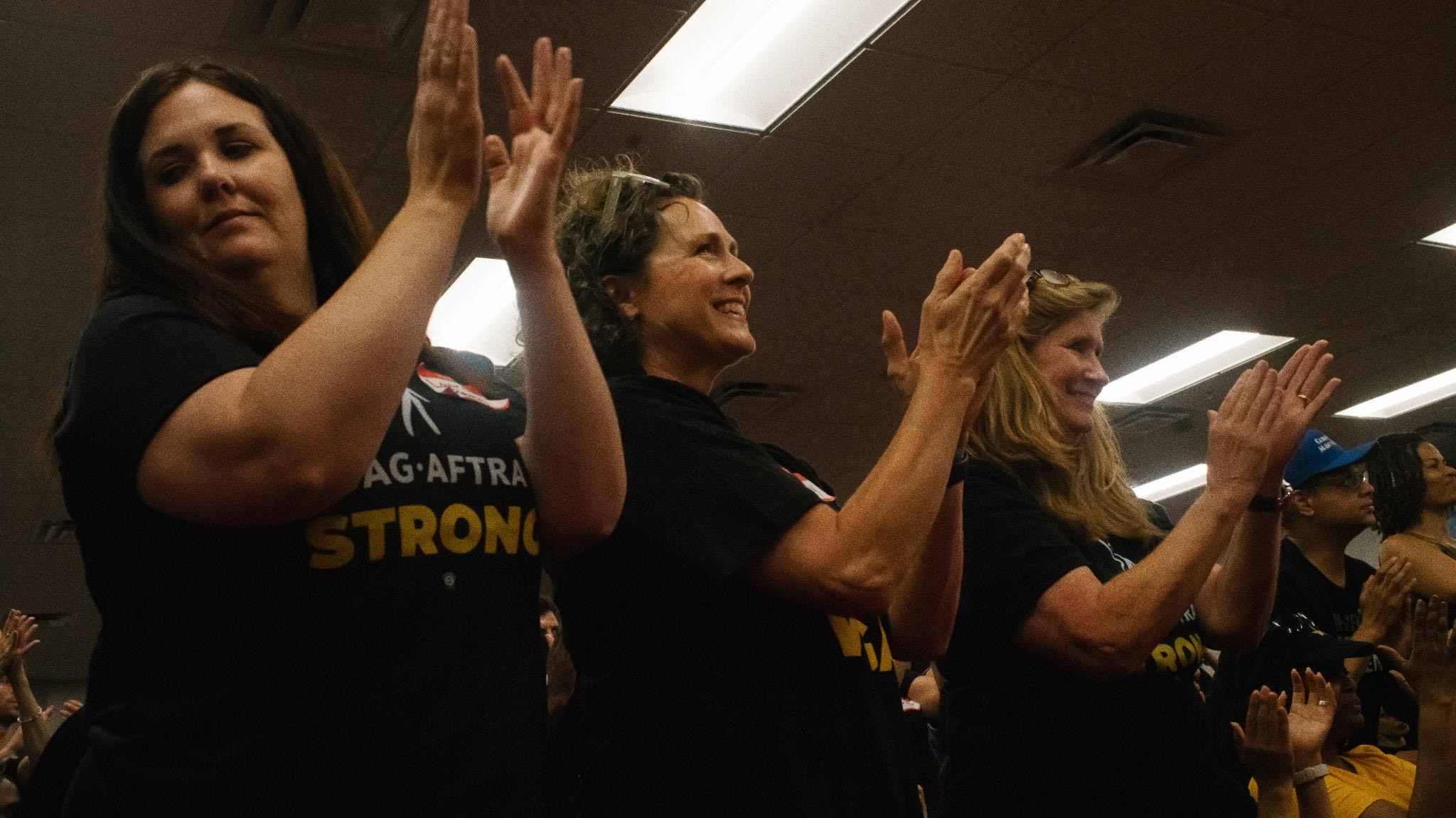
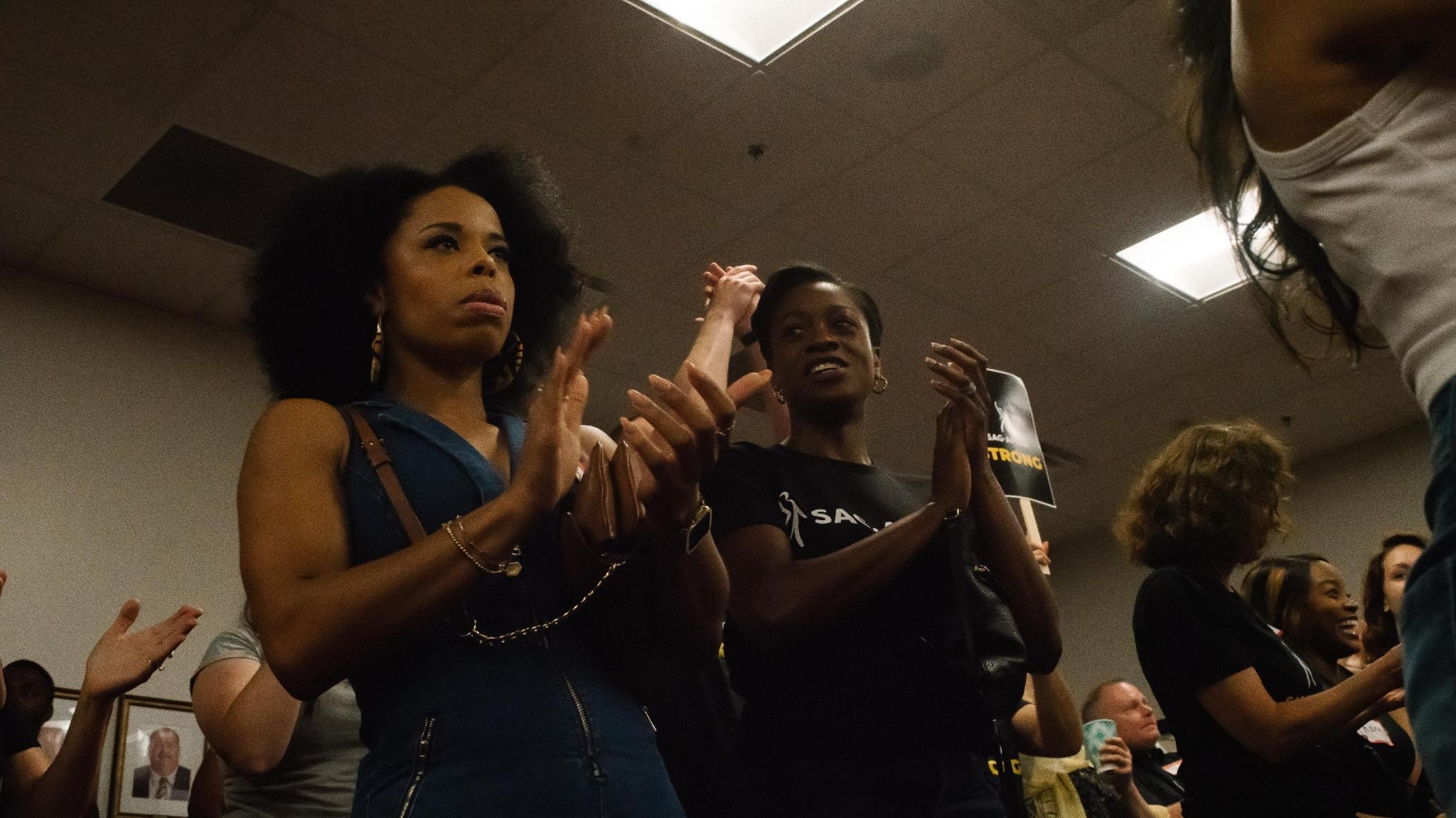
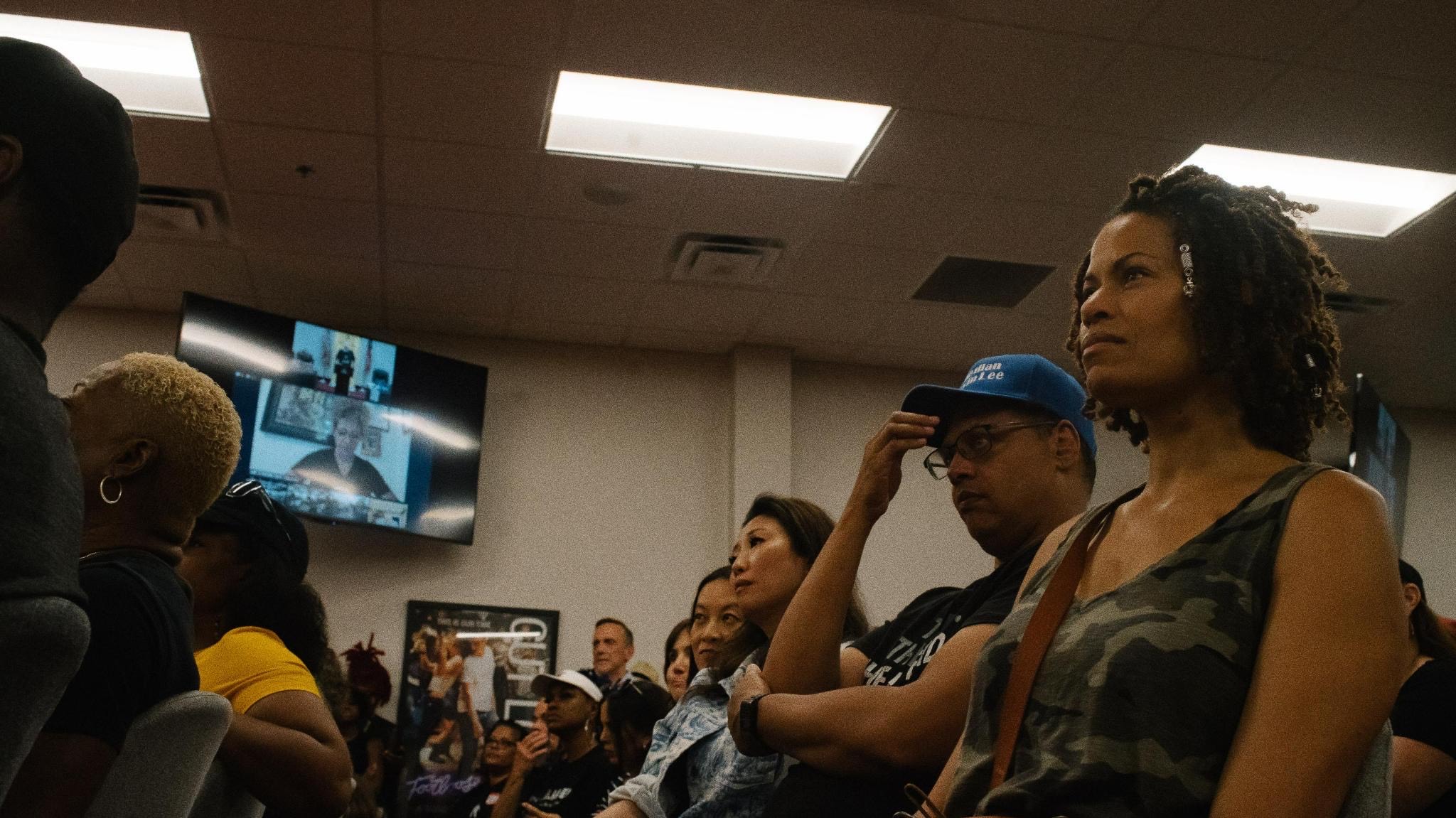
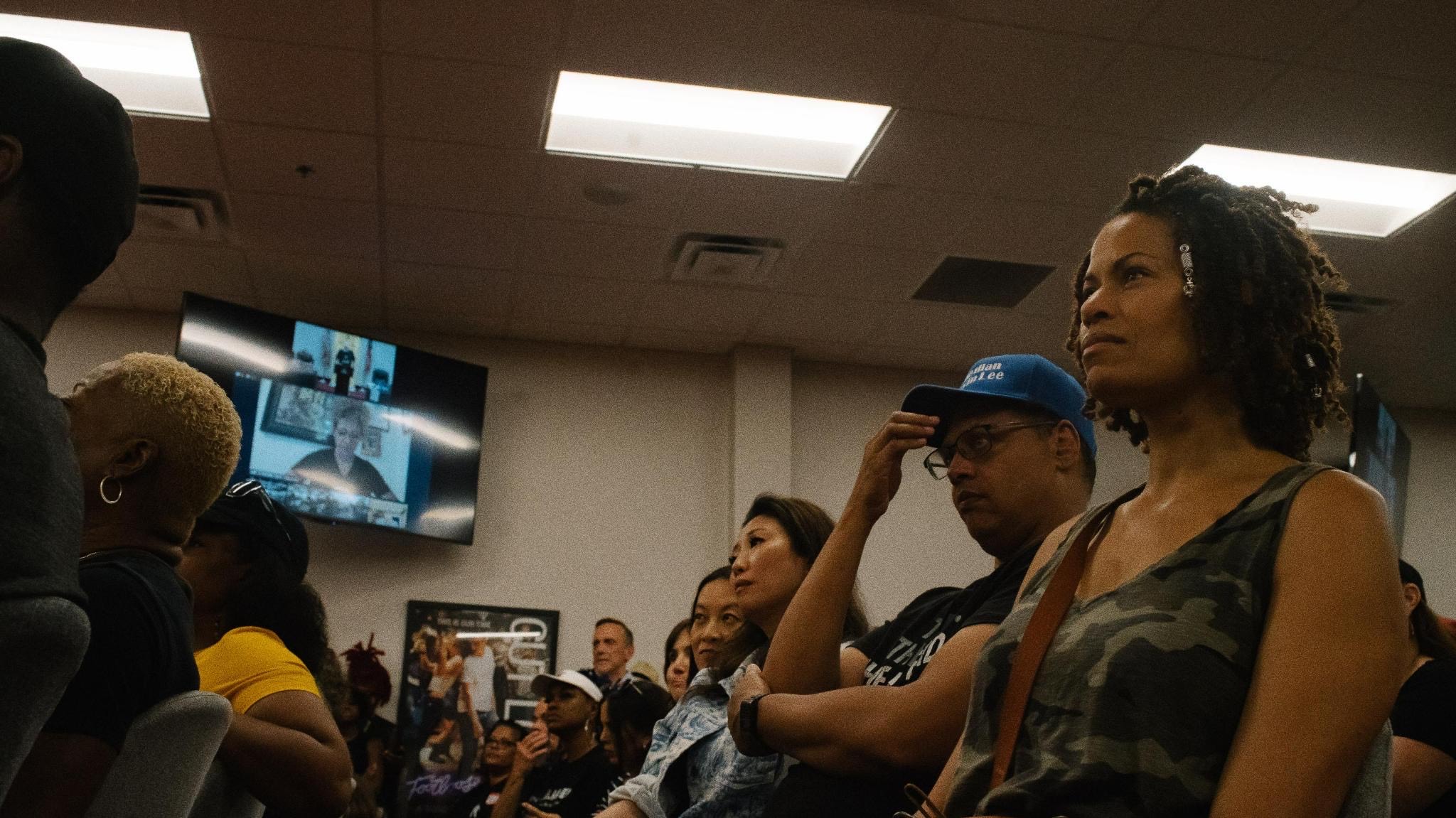
SAG-AFTRA members and supporters rallied at the IATSE 479 Hall on Monday.

Last Friday, July 14, the Screen Actors Guild – American Federation of Television and Radio Artists (SAG-AFTRA) launched a strike, representing over 150,000 workers. This is the first time that SAG-AFTRA and the Writers Guild of America (WGA) have been on strike at the same time since 1960. Both of these unions are up against the Alliance of Motion Picture and Television Producers (AMPTP).

The AMPTP is an alliance of major studio capitalists, including the “Big Five” –  Walt Disney Studios, Warner Bros., Universal Pictures, Columbia Pictures (Sony), and Paramount Pictures – which currently dominate over 80% of the media market. The “Big Five” have a significant presence in Atlanta, a city that has seen its film industry rapidly grow into a multi-billion dollar sector in recent years, employing over ten thousand workers.

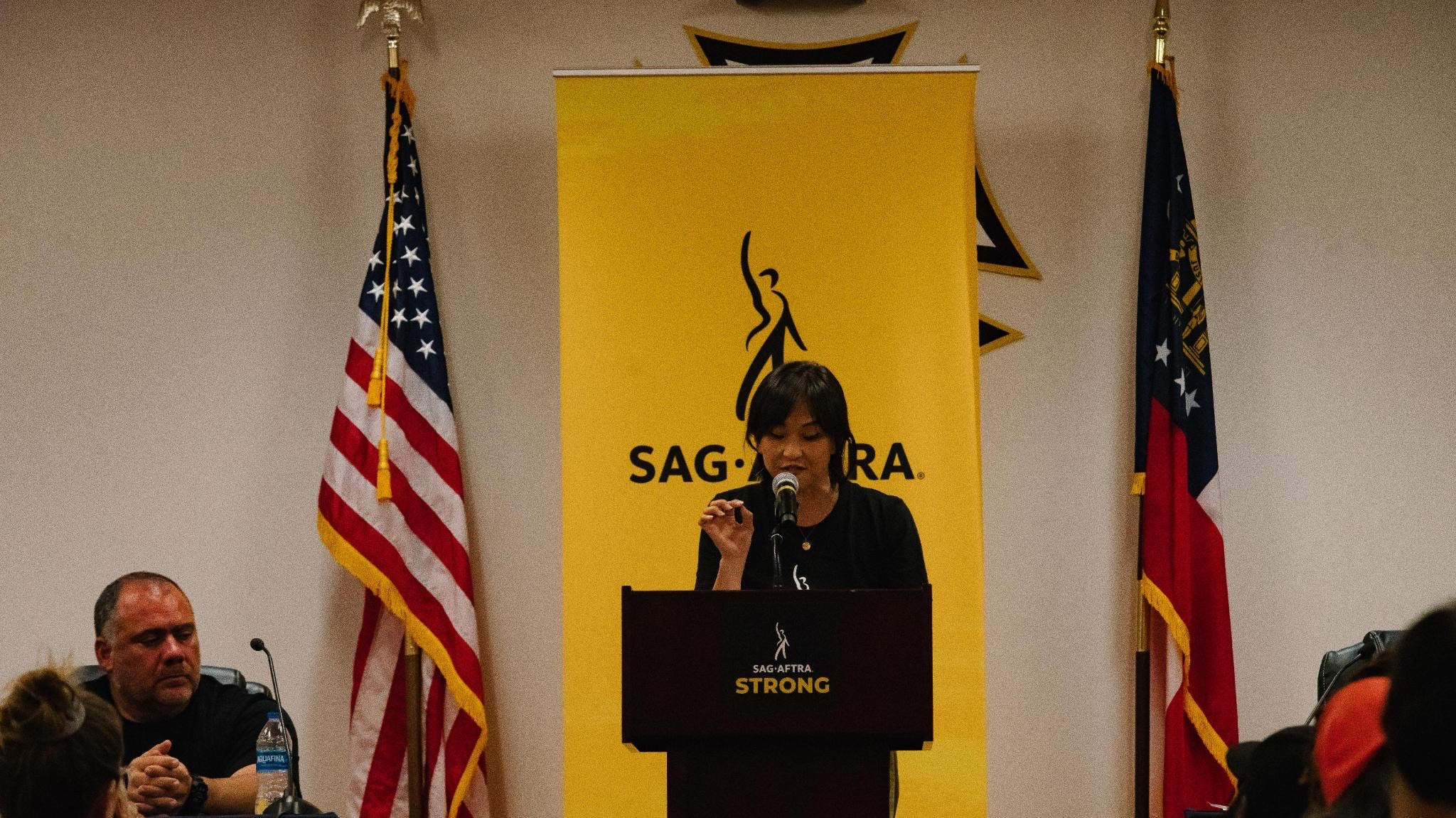
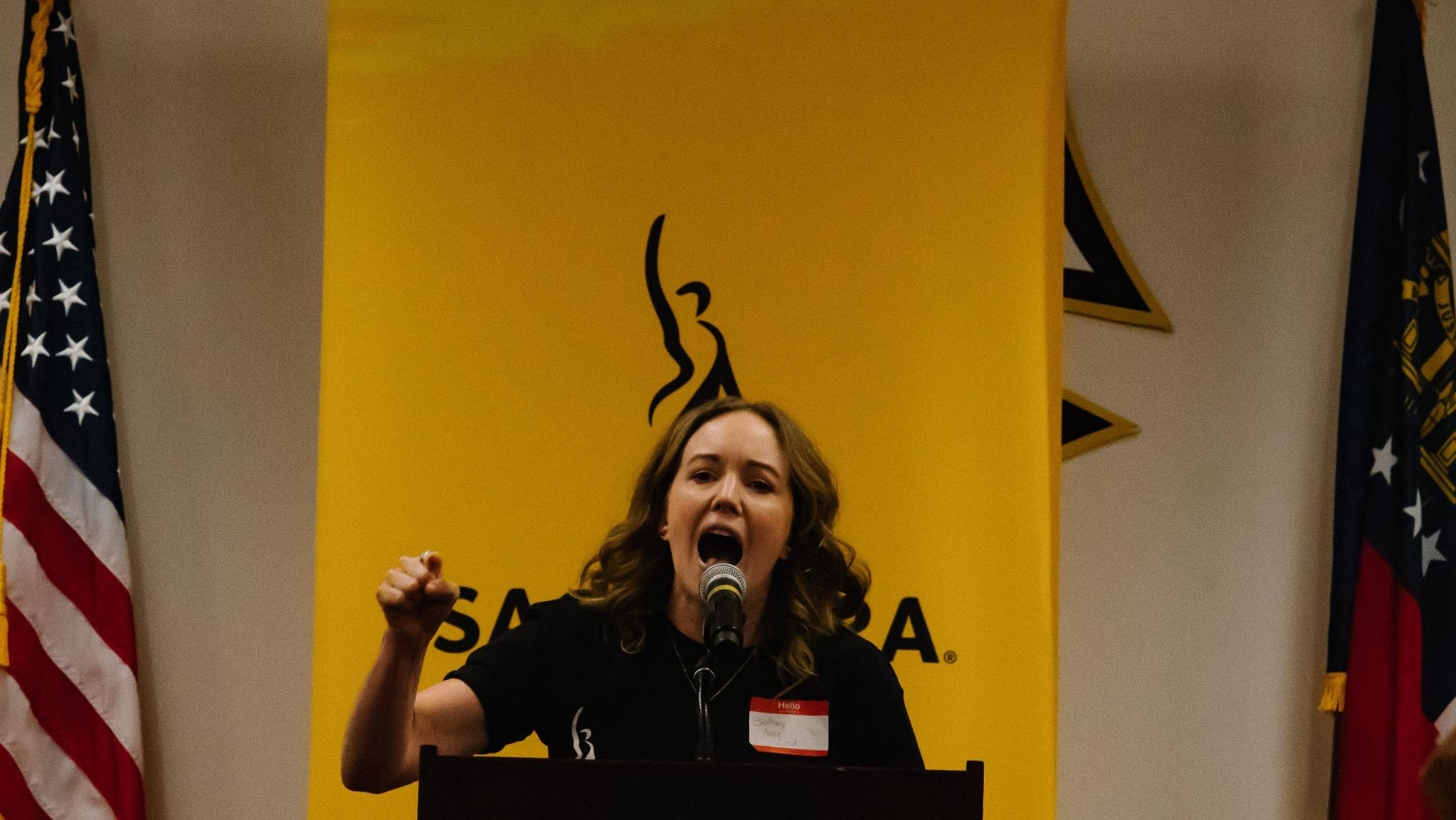
On Monday, SAG-AFTRA held a kickoff rally at the local IATSE 479 Hall in Atlanta to mark the launch of the nationwide strike. Hundreds of members and supporters gathered to hear from speakers regarding the upcoming fight and the unions’ demands, including increased pay, stable employment, and measures to address the increasing use of AI to replace human labor.

Just as with WGA, the era of streaming and inflation has caused a considerable financial hit for actors, and a significant decrease in compensation. Additionally, workers are asking for more reasonable timelines to avoid long periods of unemployment between filming. Media bosses benefit from keeping employees captive and precarious between shoots, as a way to protect their bottom line and maximizing profits.

Finally, as if in a dystopian science-fiction, some major companies are attempting to claim actors’ “likeness” as property for their own profit. Using advanced AI tools, producers can scan an actor’s image and incorporate it digitally into any media production. Studios can even edit actors’ dialogue or appearance in movies without the actor even showing up for production. SAG-AFTRA is pushing back on these developments, demanding protections for workers, informed consent, and more adequate compensation for the use of their likeness. 

The wealthy investors that the AMPTP represents are a powerful force which shapes public opinion, and political and social movements through its control of media production. But with both WGA and SAG-AFTRA on strike, the absence of new media is bound to expose who’s actually doing the work to create the film and television content which makes these studios so profitable. The recently announced SAG-AFTRA strike not only coincides with the WGA contract fight, but also falls just two weeks before the UPS Teamsters plan to launch the largest private-sector strike the country has seen in decades. With worker militancy on the rise, it’s clear that workers from logistics to the film industry are growing increasingly conscious of their position in society and ability to win transformative change through collective action. 

This historic moment demands not only cross-union solidarity, but backing from the entire working class, and DSA is ready to support workers every step of the way! While most SAG-AFTRA pickets are currently concentrated in LA and New York, keep your eyes peeled for updates on Metro-Atlanta pickets and actions at https://www.sagaftrastrike.org/ and get involved in DSA to join our labor solidarity work.

Photos by Brandon Mishawn

UPS Teamsters Gear up for the Contract Fight of a Lifetime

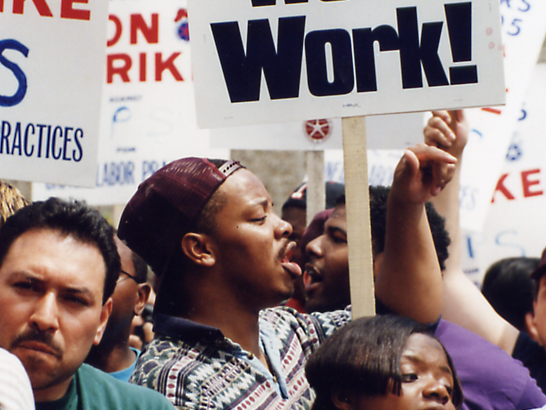
In 1997, the Teamsters went on strike to demand full-time jobs and higher wages. /Labor Notes

Many of us frequently interact with United Parcel Service (UPS) workers in our daily lives. You see them driving down your street in their emblematic brown trucks. You count on them to deliver birthday gifts to far-flung family members. You may even chit-chat with the UPS worker who regularly delivers packages to your door. UPS is the third largest company headquartered in Atlanta, and it employs nearly 400,000 essential workers who are responsible for transporting 25 million packages and documents daily, across 220 different countries and territories. Millions of us rely on the hard work of UPS drivers and warehouse workers. But did you know that these workers are currently gearing up for a critical contract fight to win better wages, hours, and respect on the job?

All 350,000 non-management UPS workers throughout the U.S. are covered under a national contract, known as the National Master Agreement (NMA), that the International Brotherhood of Teamsters (IBT) has with UPS. This contract governs their wages and working conditions.  Some UPS workers — but not all! — are also covered by a local “supplement,” which is a second contract negotiated by local or regional bargaining committees that often has stronger language than the NMA. So while all UPS Teamsters have some baseline protections, there is a lot of variation in the level of protection members receive depending on location. That’s why it’s crucial to have a strong NMA. 

Continue reading “UPS Teamsters Gear up for the Contract Fight of a Lifetime”

A Radical’s Industrial Experience

MY ROOTS WERE in Texas but war and the New Deal took the family from Dallas to Washington, D.C. where I grew up as a liberal Democrat. My first political experience was getting punched in the nose for wearing a Truman button.

Our family was middle of the white middle class. High school sports were segregated until my last two years of high school, 1955-57. In 1960, Berkeley attracted me as an inexpensive place to get a doctorate in philosophy and pursue a teaching career.

I joined the Independent Socialist Club (ISC, founded 1964) in Berkeley in February, 1966. The Free Speech Movement (FSM) in 1964 radicalized me and got me into unionism as a founder of the first teaching assistants union, Local 1570 of the AFT.

Continue reading “A Radical’s Industrial Experience”

Georgia’s Public Sector Workers Need Bargaining Rights Now

The new year brings new opportunities for workers to build power across the South. In Georgia specifically, one such significant opportunity lies in fighting for collective bargaining rights for public sector workers throughout the state. But what exactly does that mean and why is it so important?

Before we dive into that, we must first answer the question of what constitutes public sector work in Georgia. Public sector jobs are tax-payer-funded and service-driven. The most common examples are public school teachers and staff, firefighters, and healthcare workers, but public sector work is also in child care, social services, transportation, public utilities, sanitation, parks and recreation, environmental protection, libraries, museums, historical sites, and much more. Looking at that list, it’s clear that public sector work plays a crucial role in making local communities function and thrive, and it’s imperative that we empower these workers to have a democratic say in how their own workplaces operate. 

Continue reading “Georgia’s Public Sector Workers Need Bargaining Rights Now”

3 Takeaways from Georgia’s Runoffs

Illustration: New York Times

The Georgia runoff election is an important window into the political trends of both Georgia and the country at large. Although the individual characters of Herschel Walker and Raphael Warnock are important, it is equally important to understand the larger movements at play, in order to inform a political strategy that advances the interests of the working class. 

Continue reading “3 Takeaways from Georgia’s Runoffs”

Georgia Needs a Reproductive Freedom Act

Where were you when you found out that the U.S. Supreme Court had overturned Roe v. Wade? Chances are you remember that moment this past June vividly because for many of us the action was previously thought unimaginable. Even for those who had been paying close attention and saw it coming, the news that the loss of federal protection over reproductive freedom had been confirmed was hard to digest. And in Georgia, the overturning of Roe opened the door for a 6-week abortion ban — which passed in 2019 but was previously blocked by a district court for being unconstitutional — to officially take effect across the state. 

Continue reading “Georgia Needs a Reproductive Freedom Act”

Georgia Voters Face a High-Stakes Test

Elections are underway in Georgia. While Senator Warnock fights to represent Georgia in Congress and hundreds of state legislators wait for polls to close on November 8th, voters are also choosing between candidates for statewide executive offices like Governor, Attorney General, and Labor Commissioner. One race, however, demands special attention.

Alisha Thomas Searcy is the Democratic nominee for State Schools Superintendent. But you might not know it, because she’s been left off of the Democrats’ “One Georgia” slate and campaign literature. She’s even made public posts on social media complaining about the other Democratic nominees. Beyond intra-party politics, teachers’ organizations like the Georgia Association of Educators have even endorsed her Republican opponent over her. So what’s going on with Ms. Searcy?

Continue reading “Georgia Voters Face a High-Stakes Test”

ATL6 Amazon Workers Unite for Higher Wages

ATL6 Amazon warehouse workers held a press conference to demand better workplace conditions.

Last week, Wednesday Oct 19th, Amazon workers at the ATL6 warehouse in East Point held a press conference in response to retaliatory firings from management and poor working conditions at the facility. The firings occurred following a months-long organizing campaign, in which associates presented a petition to management signed by 300 workers demanding a $5 raise to $18/hr.

Outside the facility, workers assembled with community groups and union allies, including Atlanta DSA, Teamsters, IUPAT, 9to5, and United For Respect – which organized the event. Speakers gathered at a podium, flocked by photographers and local press, before a drawn poster reading “Your intimidation tactics won’t stop us! We’re fired up!”

Continue reading “ATL6 Amazon Workers Unite for Higher Wages”